Driveway Buildup, Shop Pad Excavation, and Full Property Drainage Overhaul
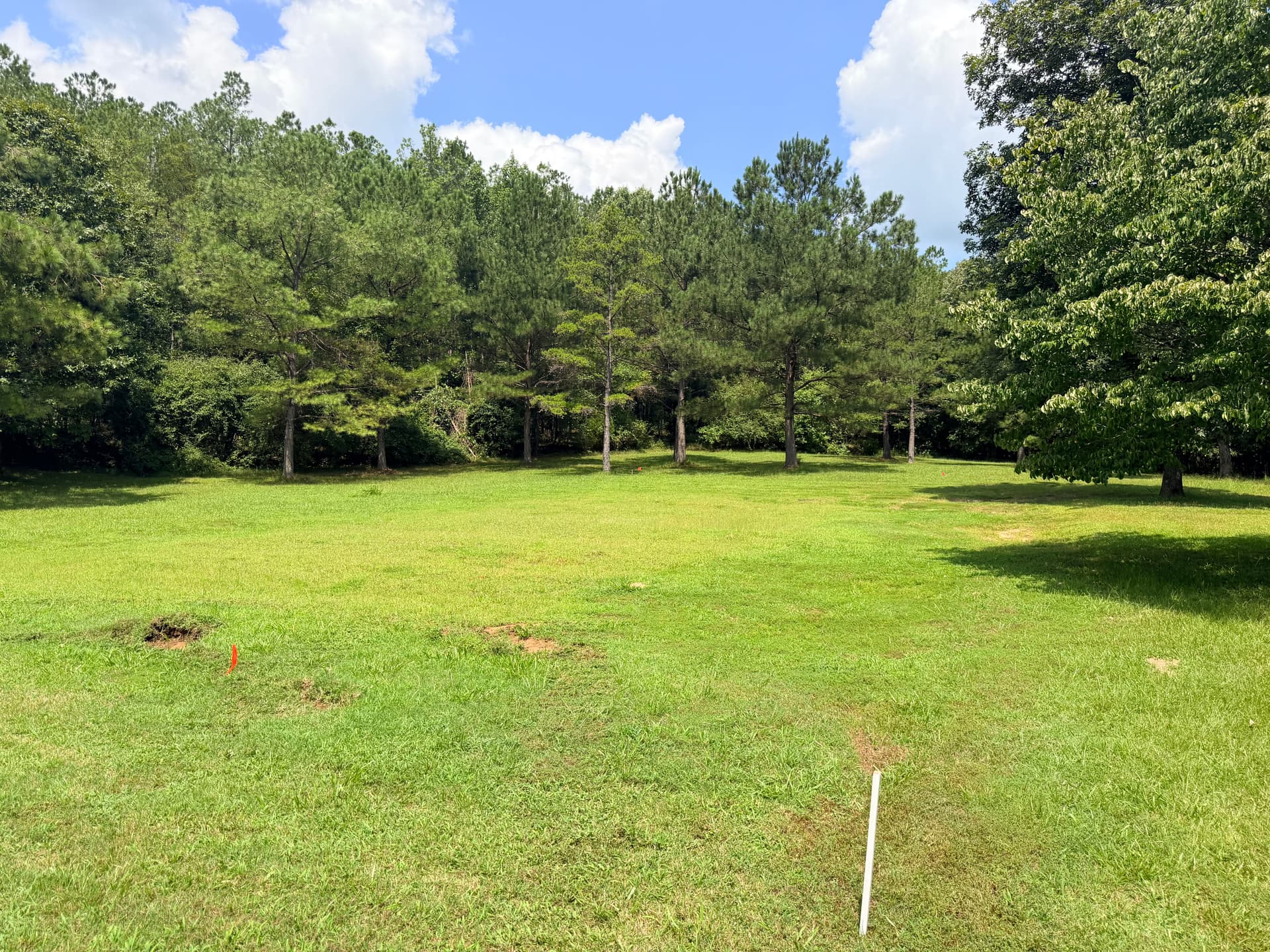
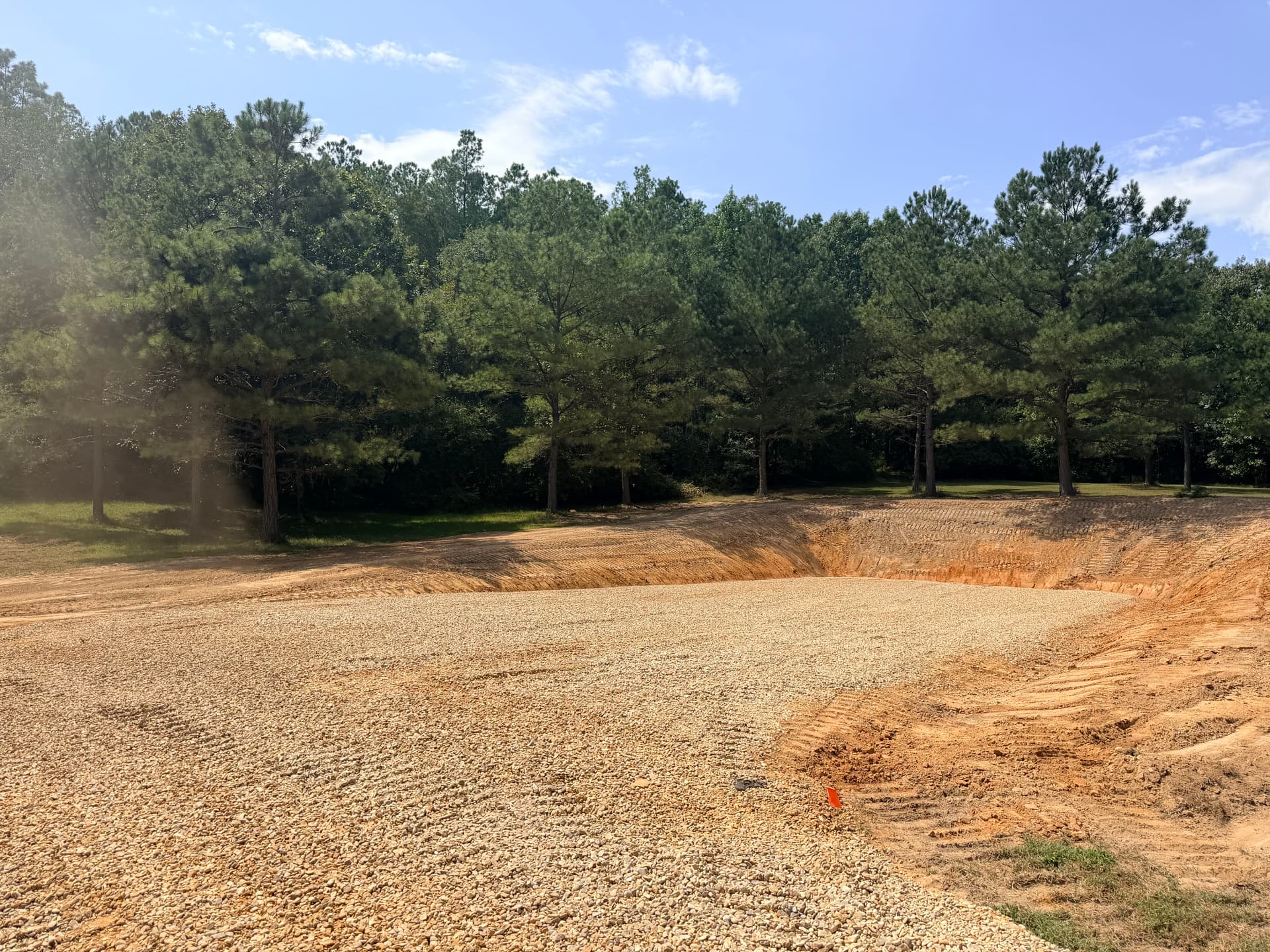
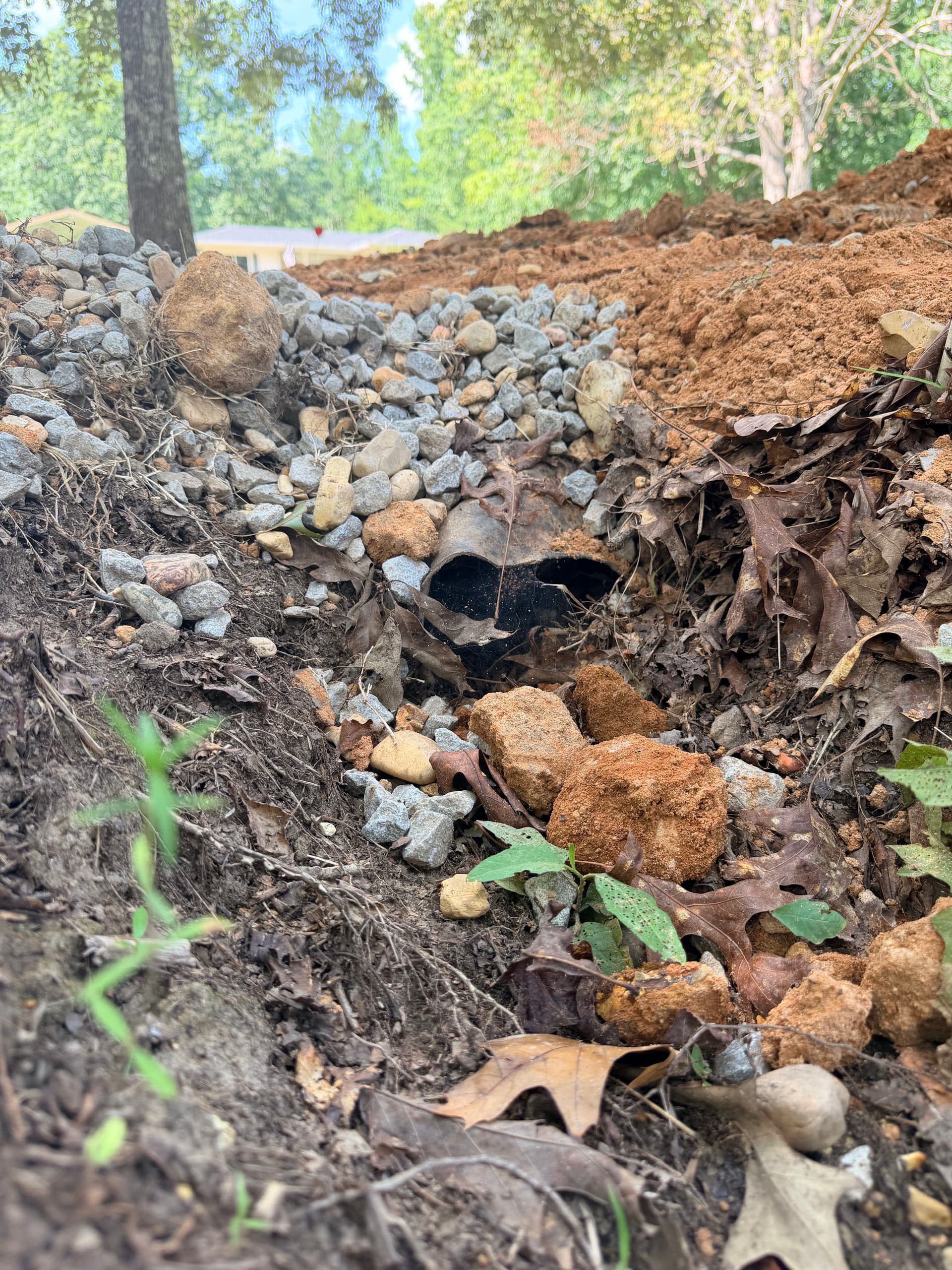
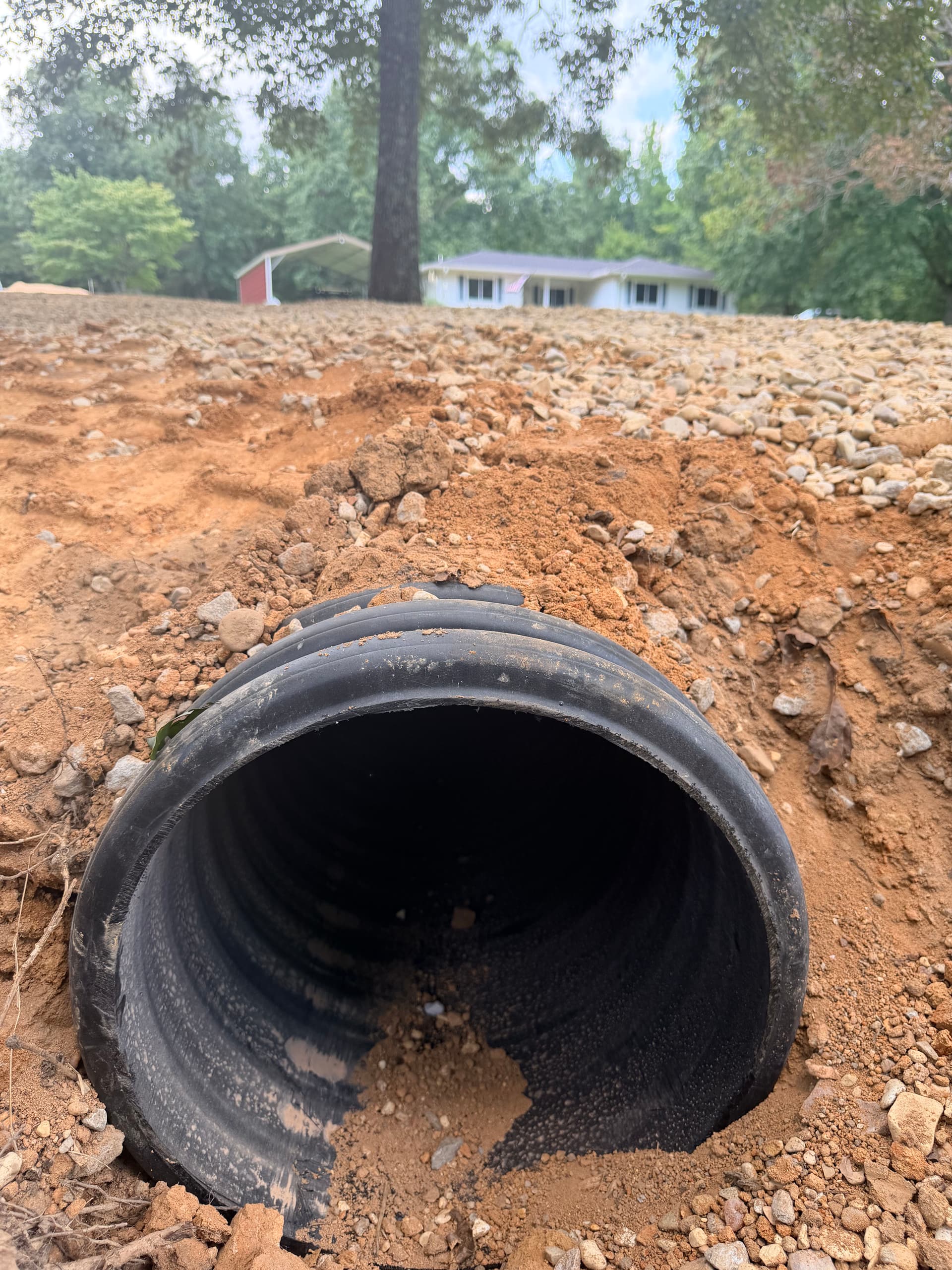
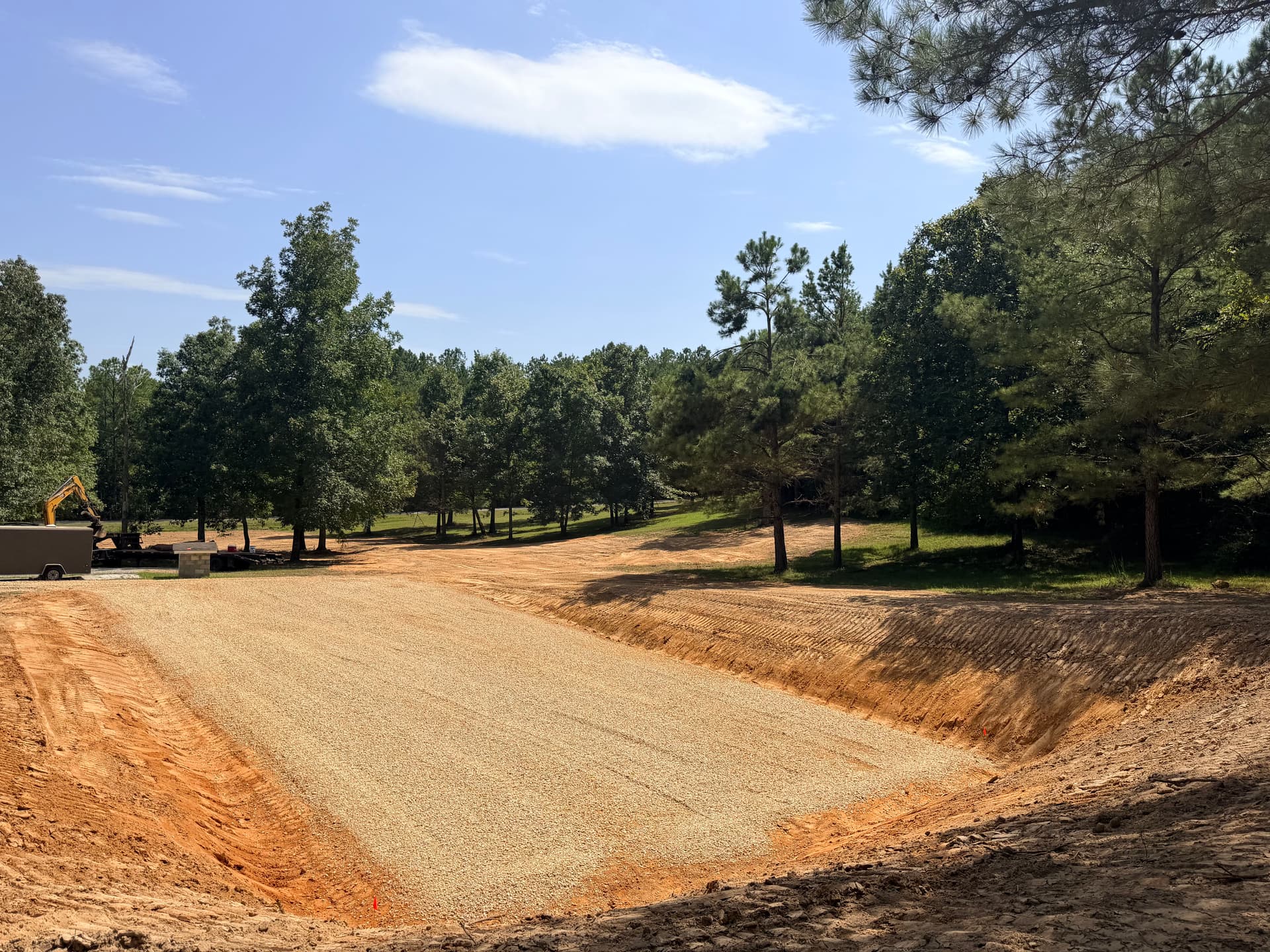
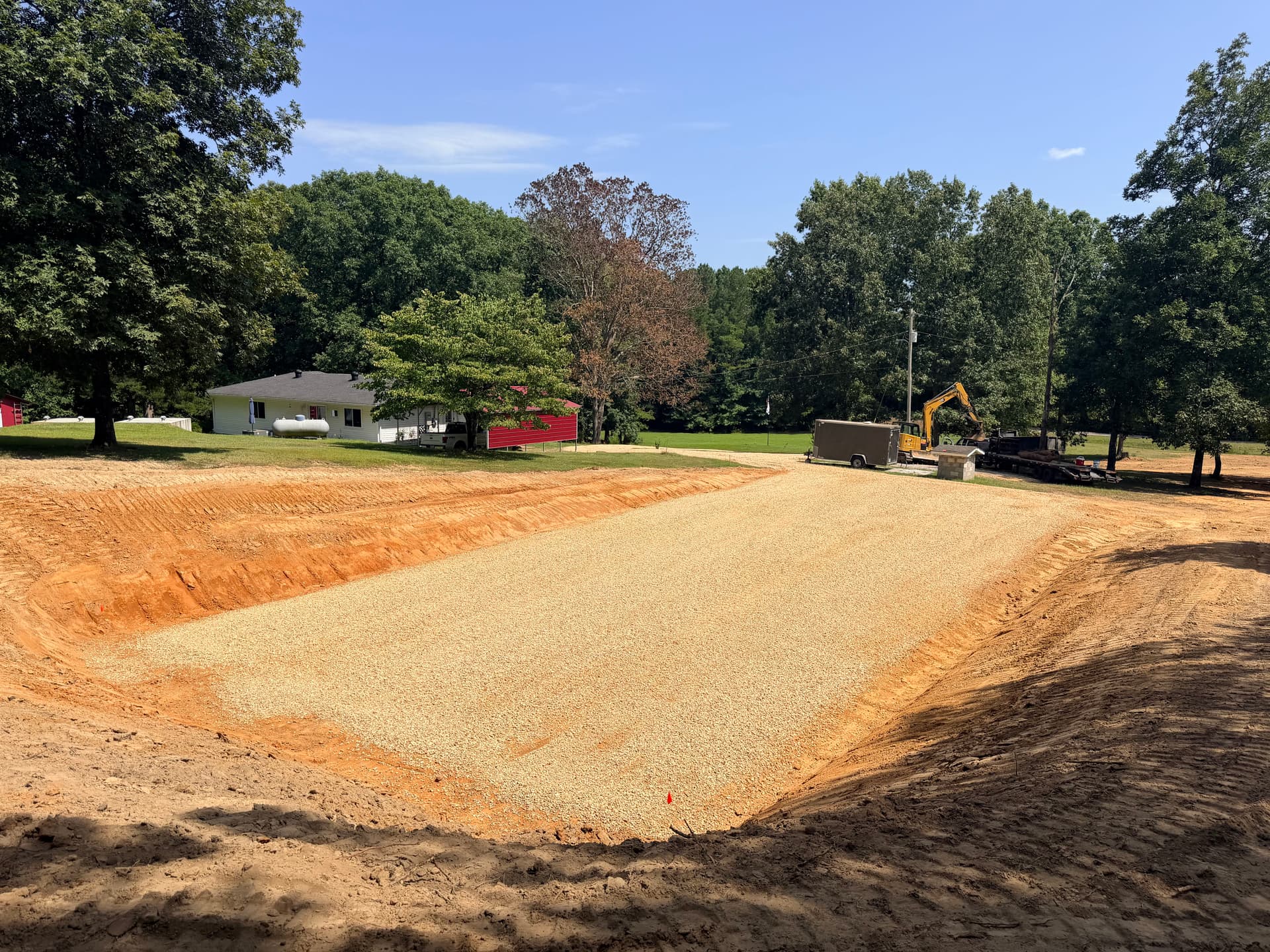
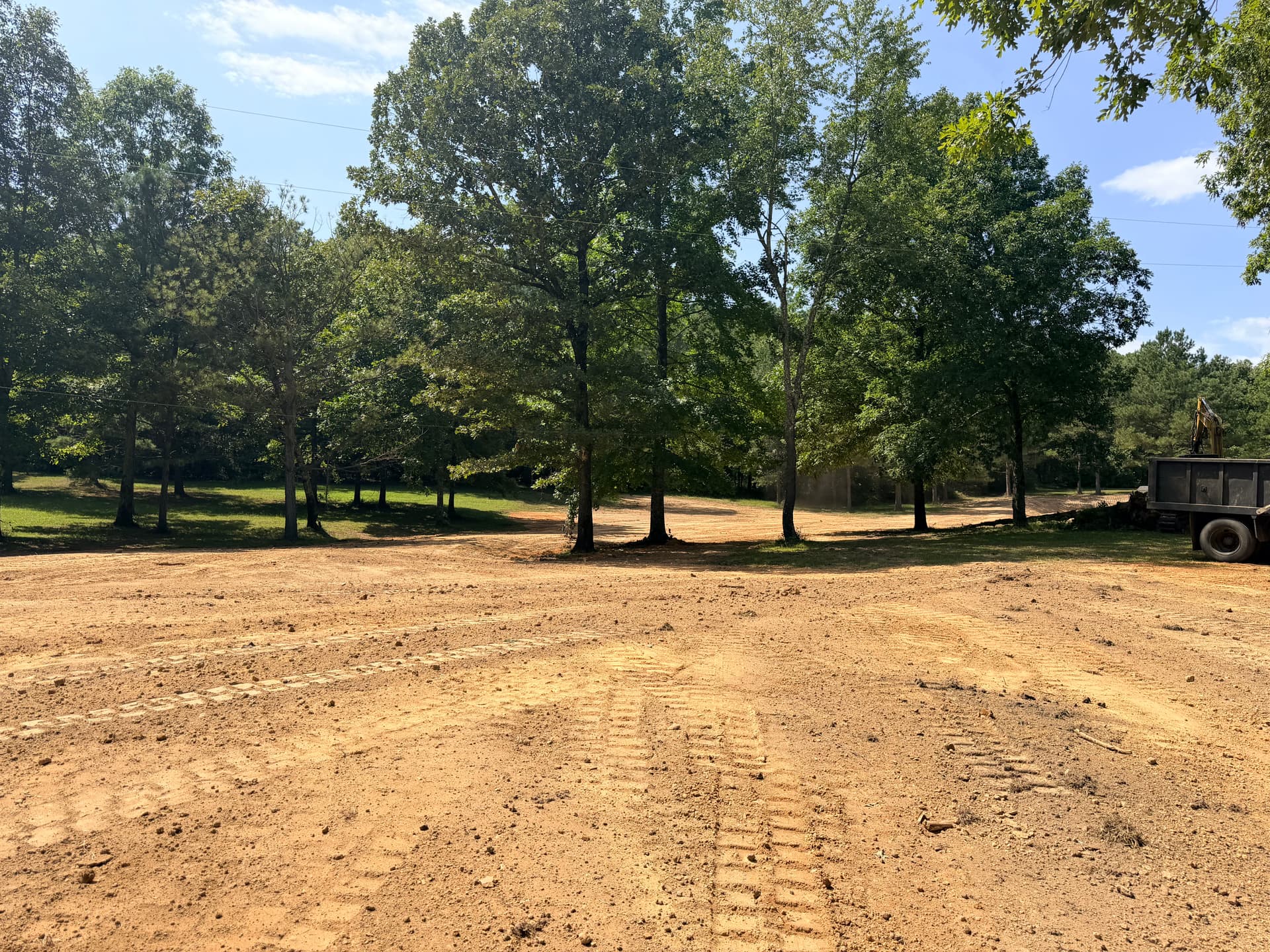
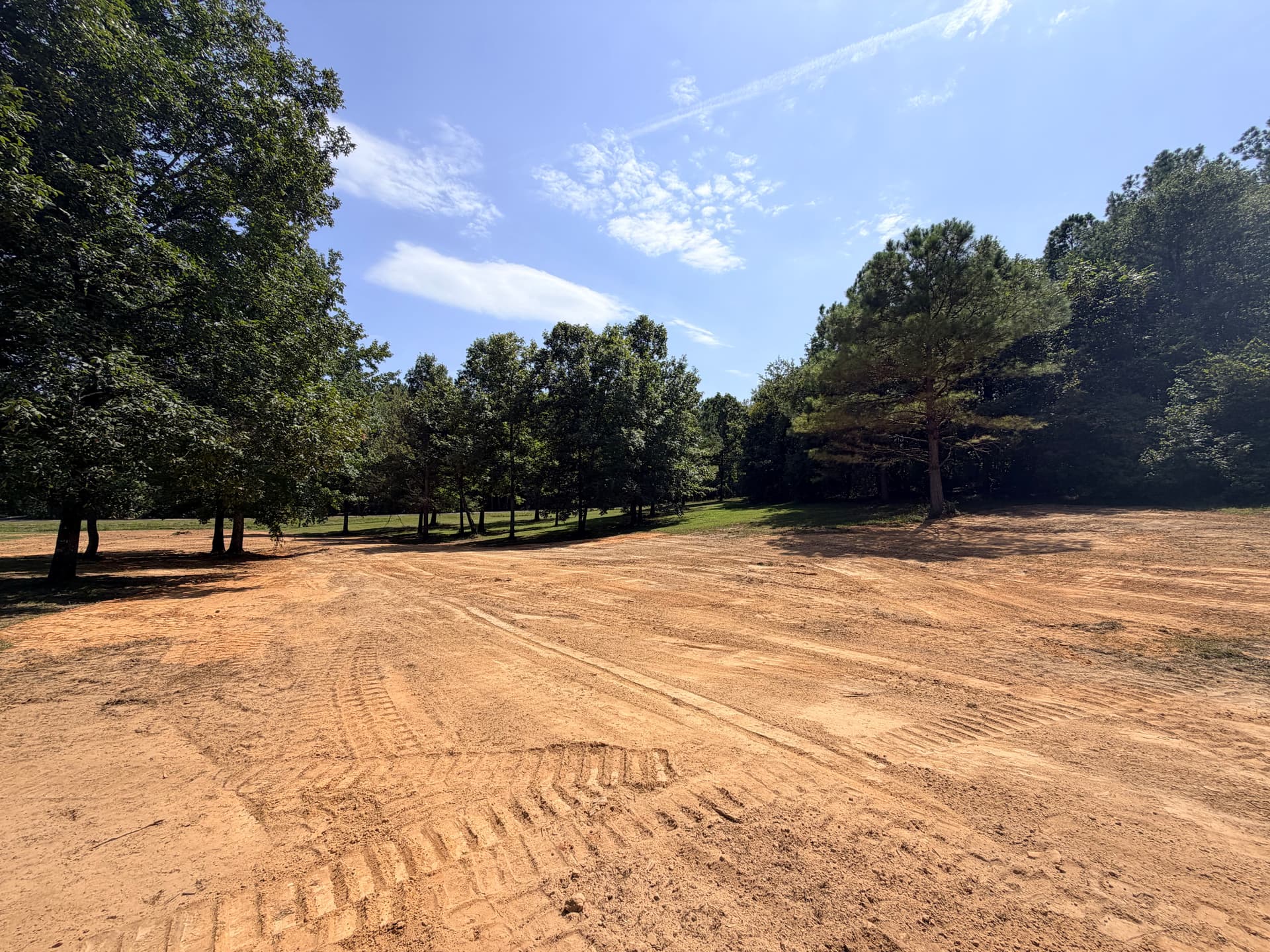
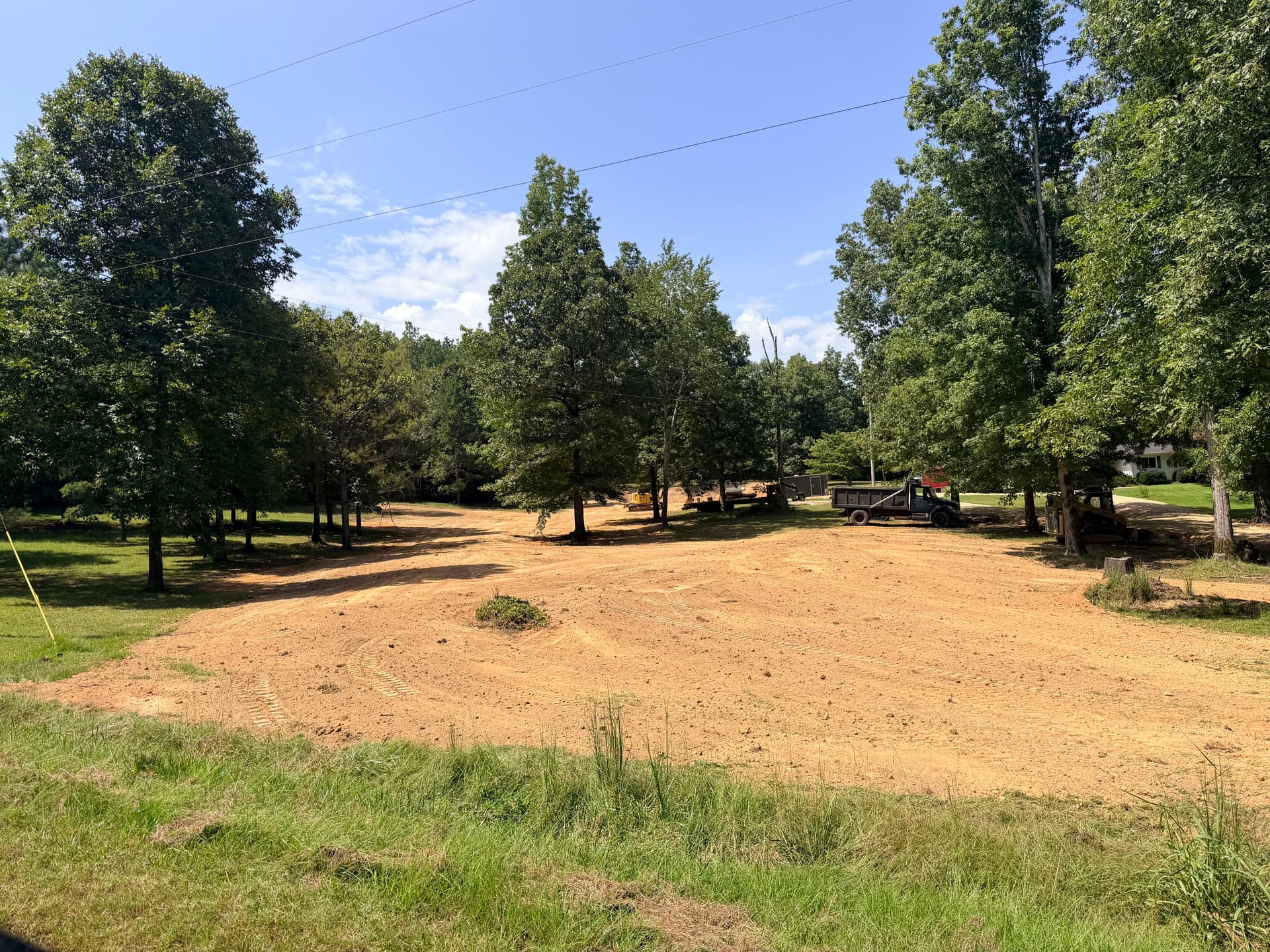
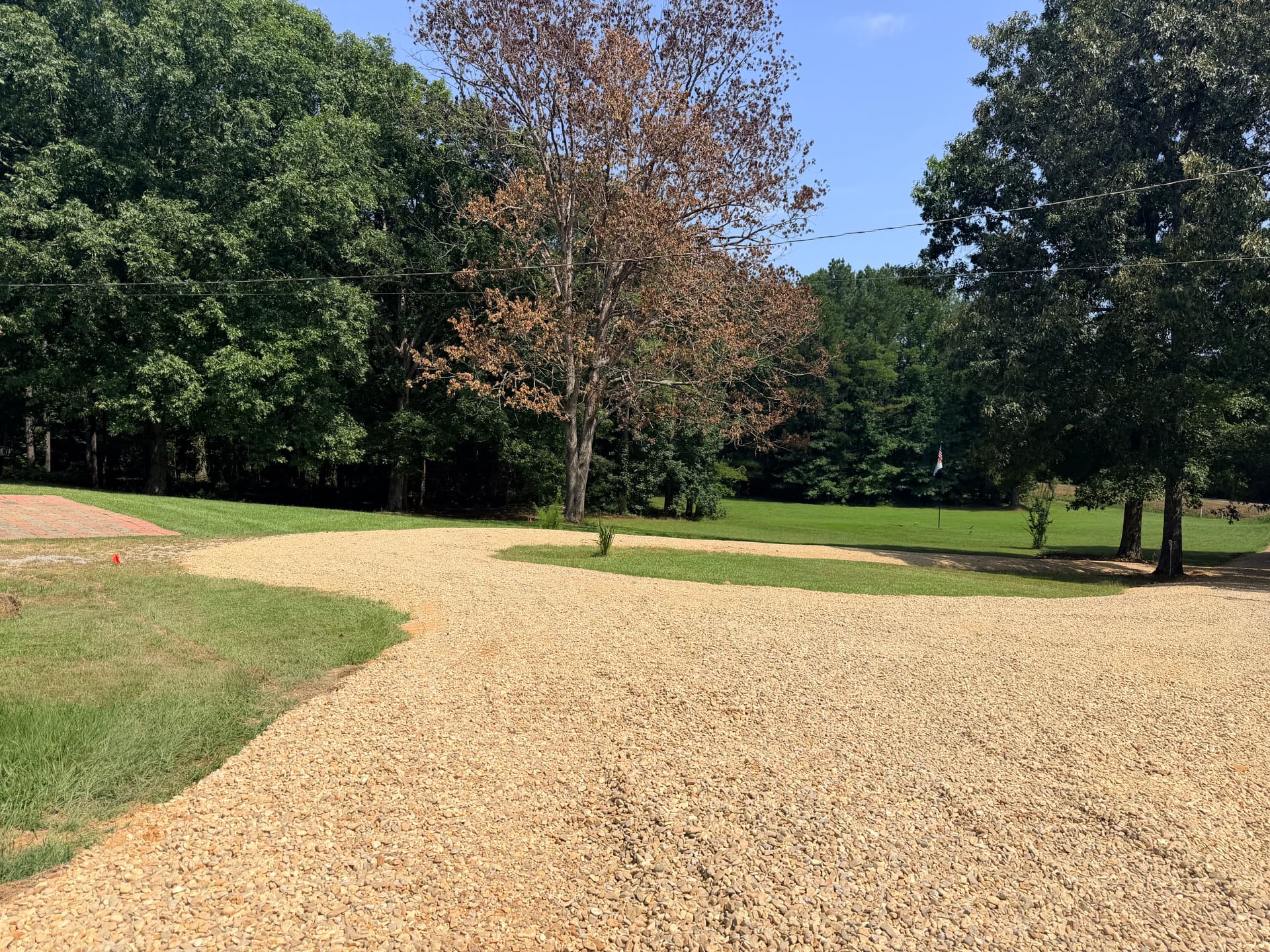
This one had a lot going on - and that's exactly the kind of job we enjoy. The property had drainage issues, a soft low-lying driveway, a hill that needed to come down for a shop pad, and a yard full of low spots that collected water after every rain. None of those problems existed in isolation. They were all connected, and fixing them right meant thinking through the whole property at once.
We started by building up the driveway and getting a proper base under it. From there, we installed two new culverts to give water a real place to go instead of just sitting and soaking. A driveway without drainage isn't going to hold up - no matter how much gravel you put on top of it. The culverts do the heavy lifting to keep water moving away from the driving surface and off the property.
Next came the hill cut. We excavated it down to create a flat, solid building pad for a shop. That's a pretty common request, and the key is doing it in a way that doesn't leave you with a drainage problem where the hill used to be. We planned the cut so the grades worked in our favor. The dirt we pulled out didn't go to waste either - we used it to regrade the yard and fill in those problem low spots that had been collecting water for years.
What you end up with is a property that actually functions. The driveway has a stronger base and proper water flow running underneath it. The shop pad is level and ready to build on. The yard sits higher where it needs to and sheds water the way it should. That's the difference between just moving dirt and doing real site preparation - every piece of the work has to connect to the next.
A lot of property owners don't realize how much they can accomplish by tackling these things together instead of one at a time. When excavation, grading, drainage, and driveway work all get planned as a single scope, the excess material from one part of the job fixes a problem somewhere else on the property. It saves money, reduces haul-off costs, and gets you a better result overall.