Bad Soil Was No Match for This Smithville Driveway Build
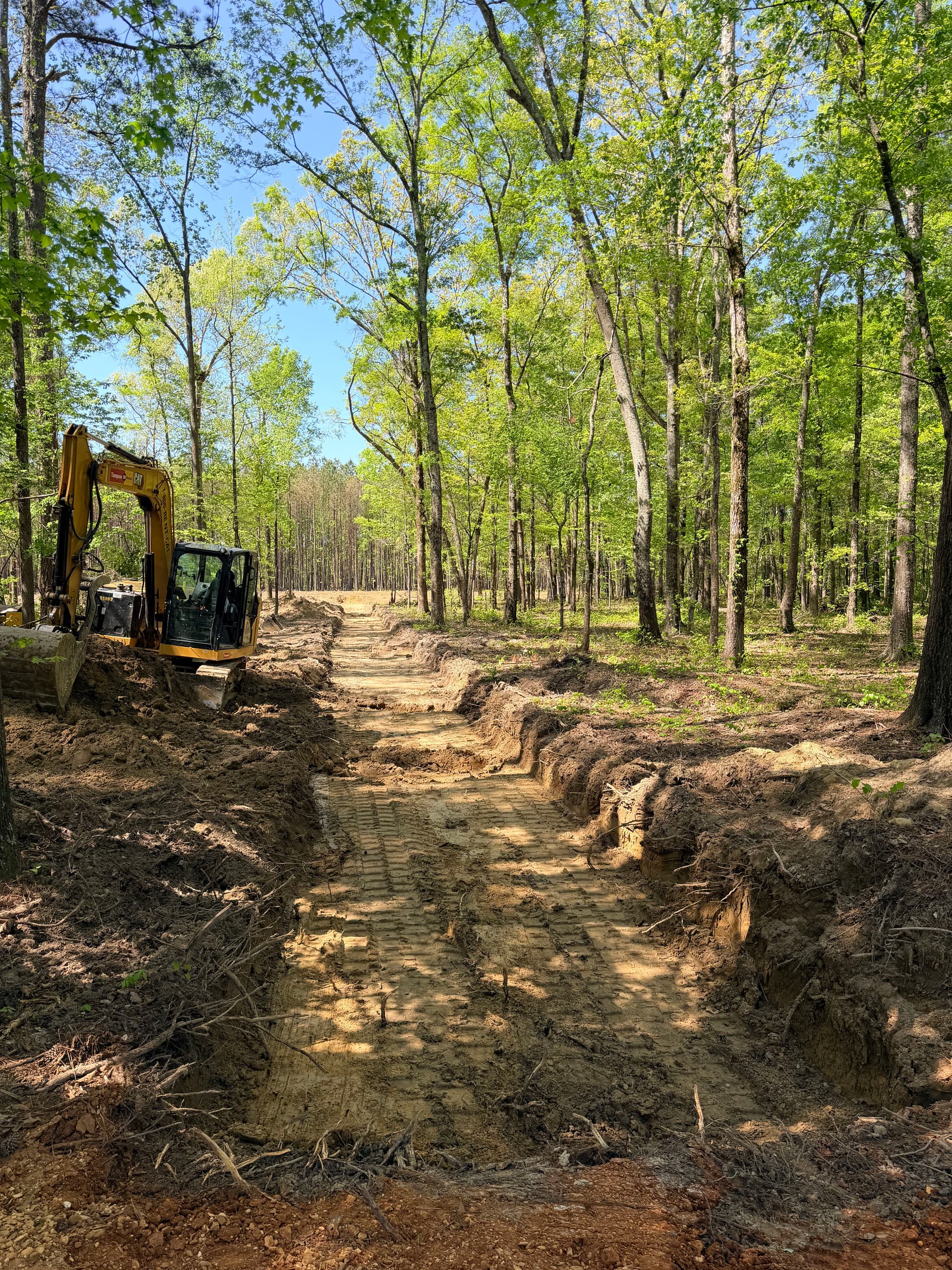
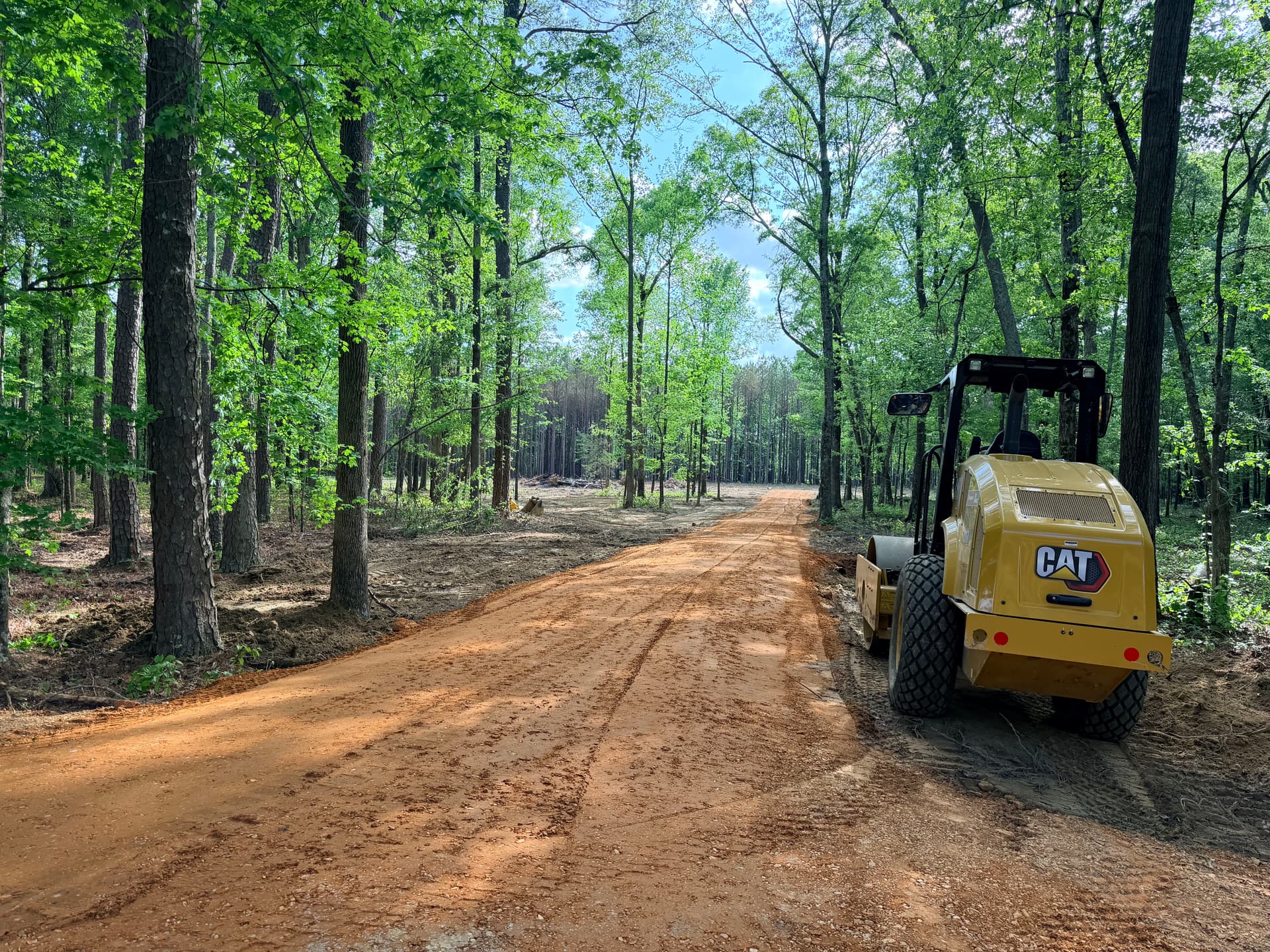
Not every piece of land is ready to build on. This job in Smithville, MS is a good example of what happens when the soil underneath just isn't going to cut it. Before a single load of gravel goes down, the ground has to be able to support it - and here, it couldn't. The top two feet of soil were soft and unstable, which meant we had to dig it all out before we could do anything else.
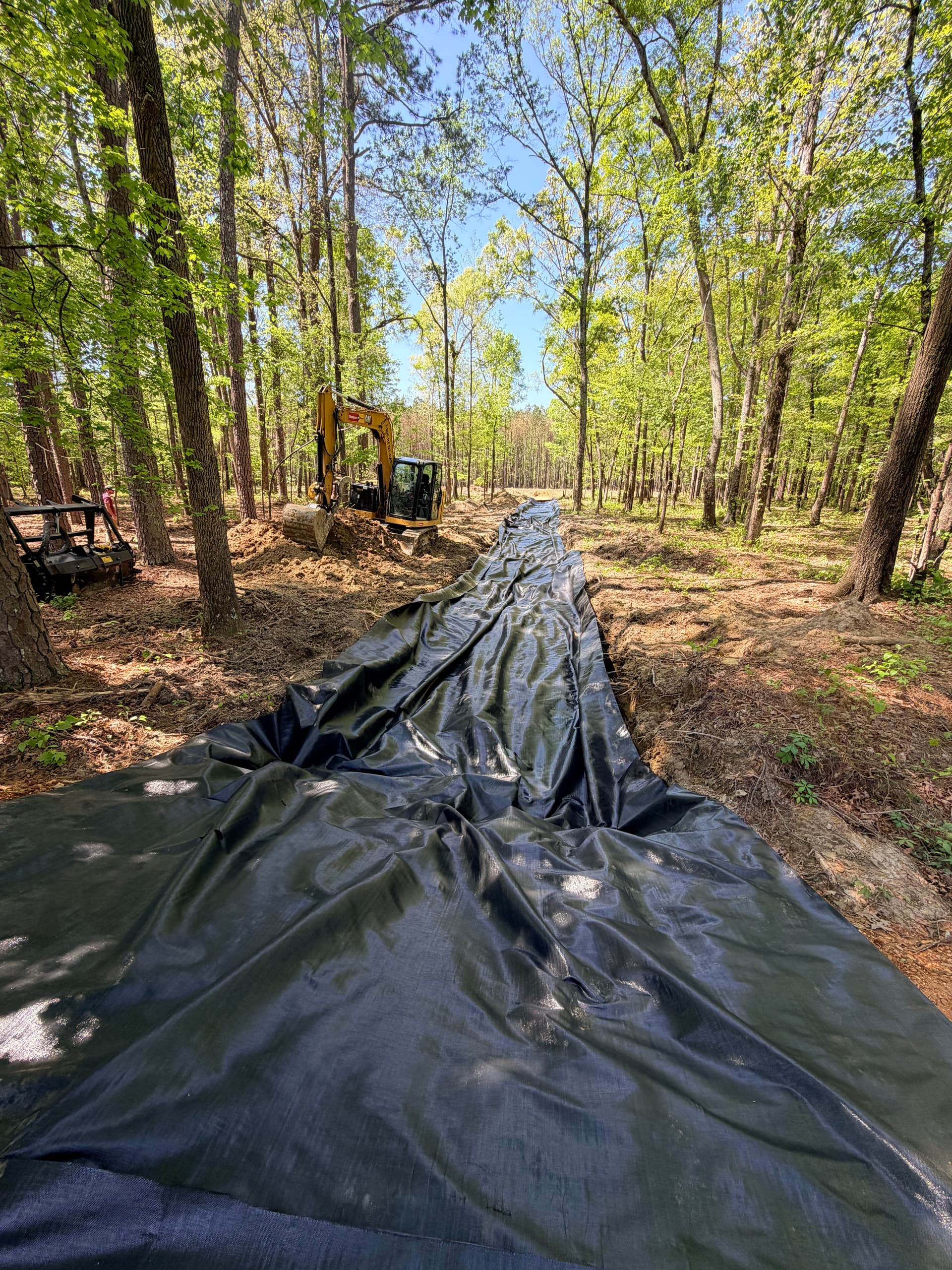
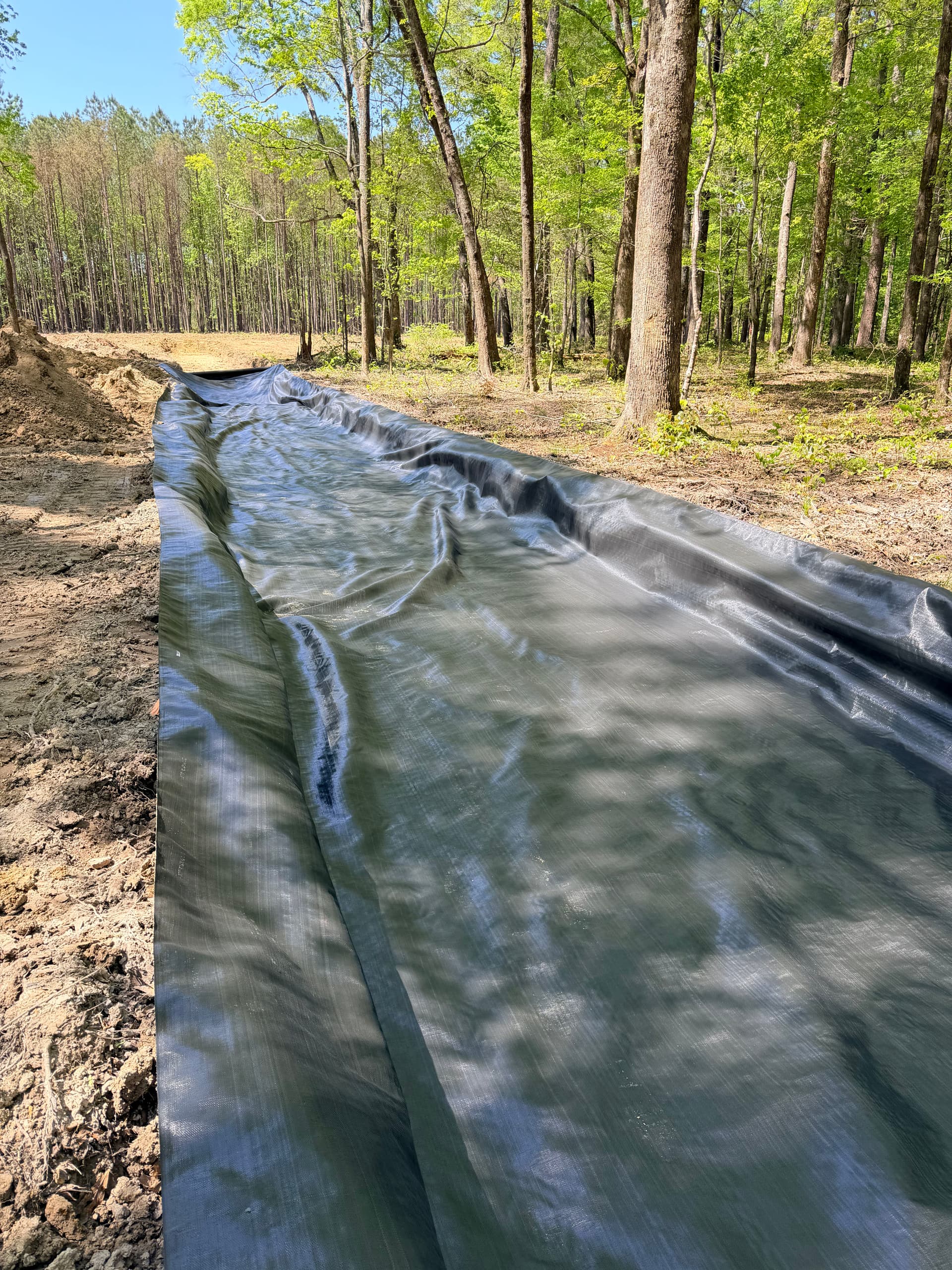
Once we excavated the bad material, we laid down a geotextile fabric across the full length of the driveway corridor. That fabric is doing more work than most people realize. It keeps the fill material from mixing back down into the native soil over time, and it helps distribute load across a wider area. Skip that step, and you'll be fighting ruts and soft spots for years.
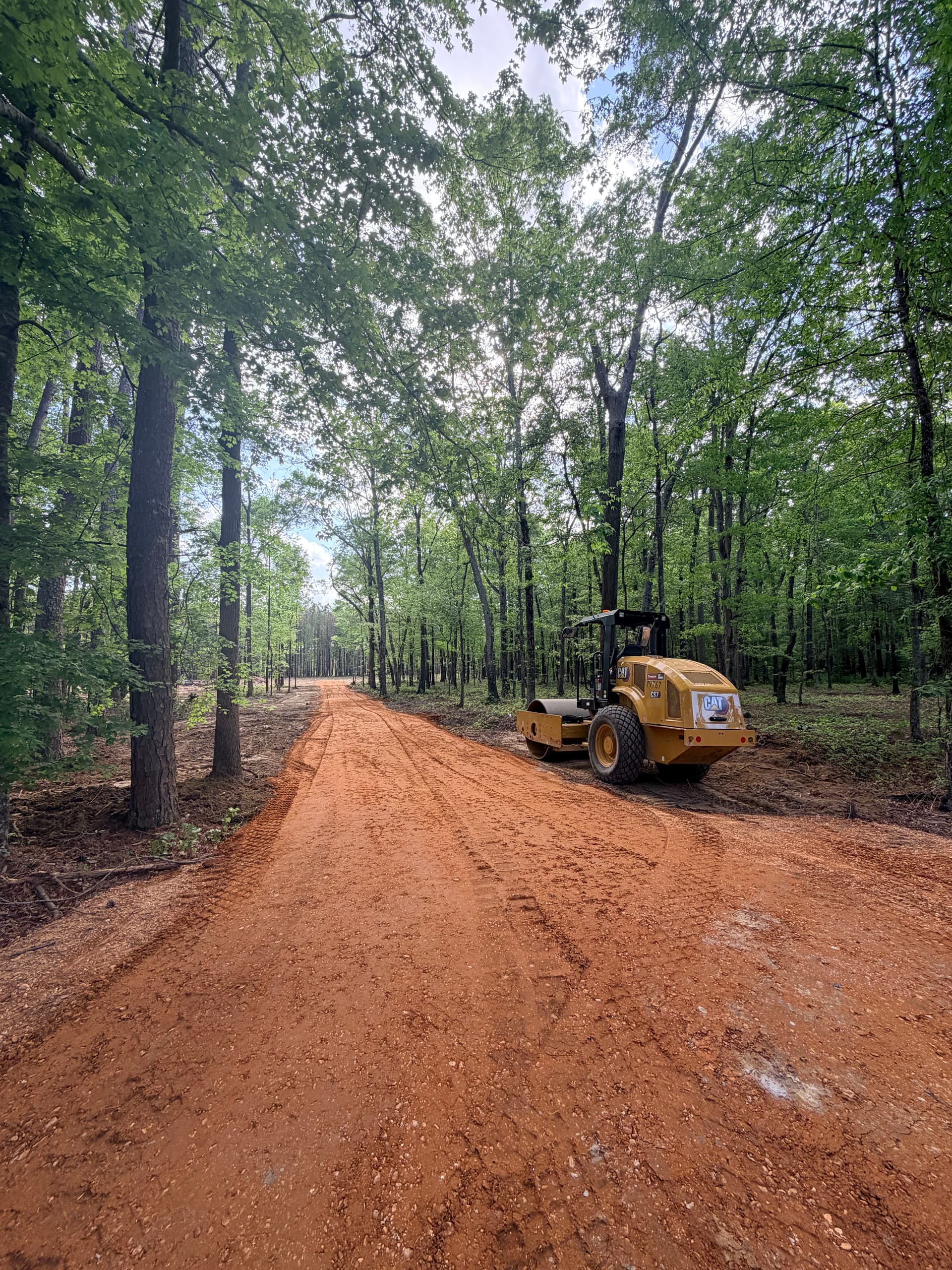
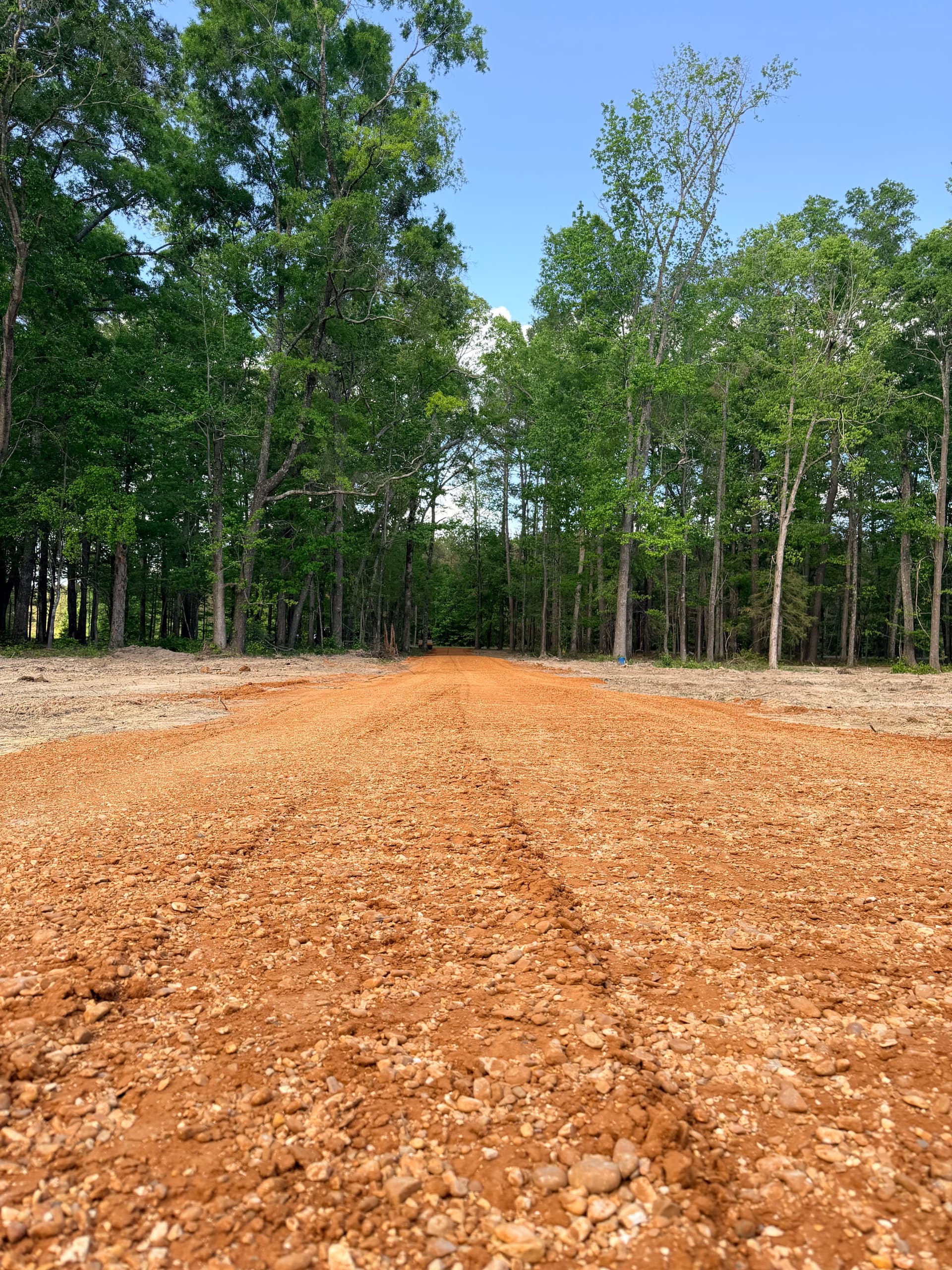
From there, we backfilled with good compacted dirt - working in 8-inch lifts and compacting each layer before adding the next. That's the part that separates a driveway that holds up from one that doesn't. Compaction done in stages builds a base that can actually carry weight without shifting. After that, we finished the surface with clay gravel to give it shape and a firm, drivable surface while the rest of the construction is still underway.
This is still a work in progress - the final rock surface goes down once construction wraps up. But the foundation is built right. Everything from here is just finishing work on top of a base that's going to hold. That's the whole point of doing site preparation and excavation correctly from the start.
If you've got a property with questionable soil and you need a driveway that's actually going to last, this is the kind of groundwork it takes. Shortcuts at this stage always show up later - usually right after a good rain.